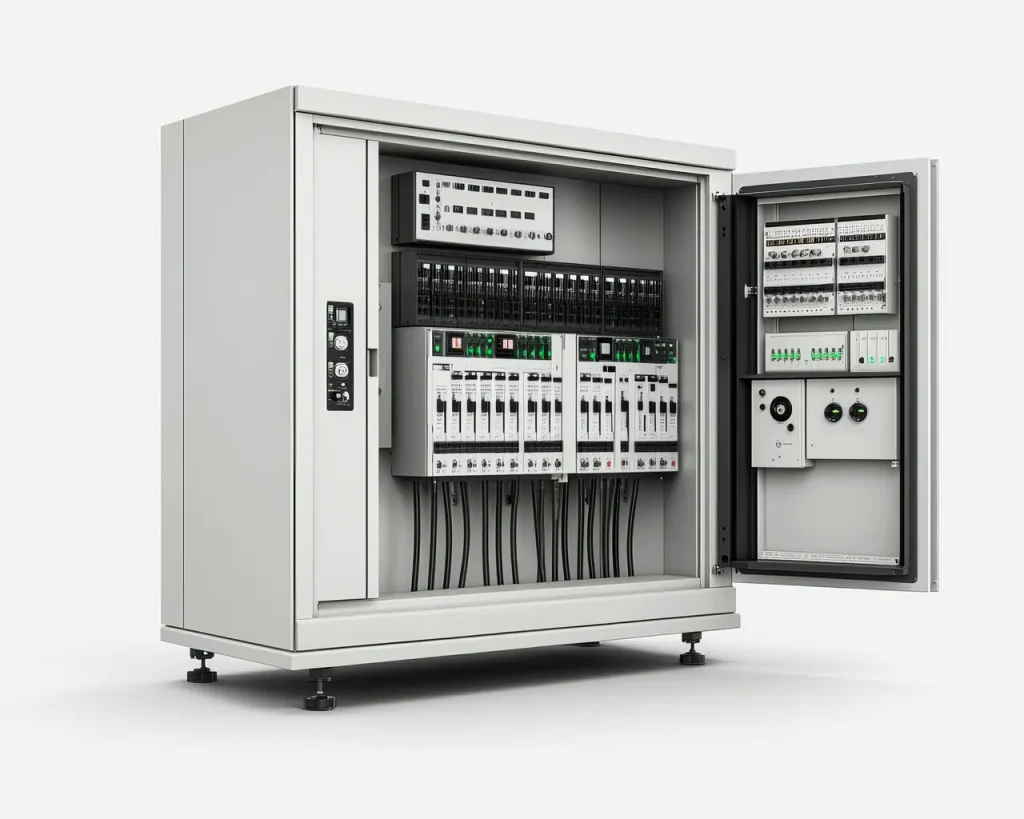
Lead times for industrial components in 2026: how to plan purchases
"What is the lead time?" has no single answer in 2026. A contactor or a terminal block can arrive in days. An HMI or an industrial PC may wait months because of the memory inside it. A large transformer can take more than two years. If you plan a project with one average number, you will be early on some lines and badly late on others.
Here is how we see the market from the buying side, and how we would plan a project BOM around it.
Three very different markets
1. Catalogue automation and electrical parts
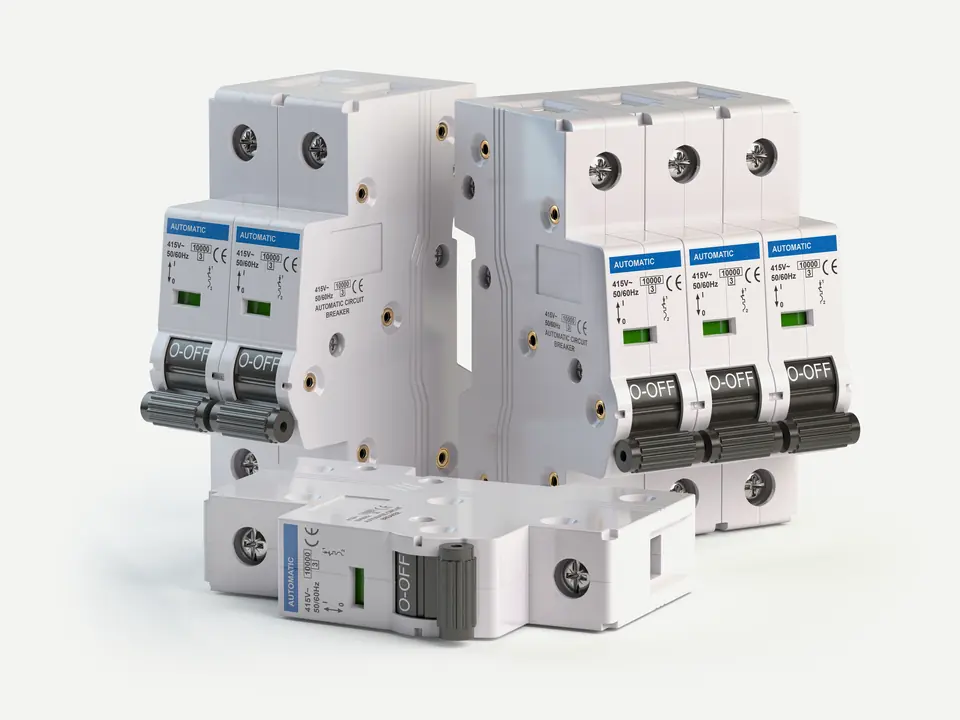
Contactors, circuit breakers, terminal blocks, relays, standard power supplies and common PLC families are usually held in stock somewhere in European distribution. The skill is finding that stock. In our own work, parts available in European warehouses typically arrive in 1-5 days, while the same items ordered through a manufacturer's channel, when not in stock, often take 6-12 weeks.
A real example: a switchboard prefabricator was quoted 6 weeks for a Siemens S7-1200 CPU and 8 weeks for a Phoenix Contact QUINT power supply. We found both in EU stock and delivered them in 48 and 72 hours.
2. Electronics-heavy products: memory is the bottleneck
HMI panels, industrial PCs, gateways, some drives and advanced controllers contain DRAM and flash memory. In 2026 those chips are in short supply because manufacturers have moved capacity to AI data-centre products. In a February 2026 survey by the Global Electronics Association, 62% of electronics manufacturers reported constrained availability or longer lead times, and 82% reported rising prices.
For you this means: treat anything with a screen, an operating system or a lot of memory as a long-lead item until a supplier confirms stock, and expect price increases between quote and order.
3. Grid and power equipment
Large power equipment is a separate market, but it shows how stretched electrical manufacturing is. Wood Mackenzie data from Q2 2025, quoted by POWER magazine in January 2026, puts average lead times at about 128 weeks for power transformers and 44 weeks for high-voltage switchgear, with circuit breaker prices up 47% since 2021. These are mainly US figures for grid equipment, not for DIN-rail parts, but the same demand from data centres and grid expansion competes for factories, copper and electronics across the industry.
How to plan purchases in 2026
1. Split the BOM by risk, not by brand. - Group A - stock items: contactors, protection devices, terminals, standard supplies. Order close to need. - Group B - build-to-order: configured drives, special cabinets, custom-length items, large quantities. Order as soon as the design is frozen. - Group C - allocation risk: HMIs, IPCs, communication modules, anything memory-heavy, anything in phase-out. Order first, even before the design is fully final, where you can.
2. Ask for a lead time per line, in writing, with a date. "Ex stock" today means nothing in three weeks. A good quote gives the lead time and where the stock is for every line.
3. Decide on alternatives before you need them. Agree with the engineer which lines can take an equivalent. When a line slips, you switch in a day instead of re-opening the design.
4. Accept partial deliveries. Let the stock items ship now and the long-lead items follow. Your panel shop can start wiring while you wait for the HMI.
5. Check quote validity. With prices moving, especially for electronics, a quote valid for 30 days may not hold on day 45. Order within validity or ask for a re-check.
6. Keep critical spares. For lines where a single failure stops production, one module on the shelf is cheaper than a week of downtime.
7. Talk to your supplier early. A two-line message saying "we will need about 40 of these in March" lets a supplier look for stock while there is still time.
A note on scare stories
Not everything is long. Most catalogue parts are available quickly if you know where to look, and over-ordering everything "just in case" ties up cash. Spend your attention on group C.
How we help
We check availability across European distribution, manufacturers and independent suppliers, give you a lead time per line and consolidate everything into one delivery. Send your BOM through the contact form or read about project supply.
Frequently asked questions
What are typical lead times for automation components in 2026?
It depends on the product. Catalogue parts in European stock usually arrive in days. Non-stock items from manufacturers often take 6-12 weeks. Products with a lot of memory, such as HMIs and industrial PCs, can take longer because memory chips are in short supply in 2026.
Why are HMIs and industrial PCs harder to get in 2026?
They contain DRAM and flash memory, and memory makers have shifted capacity to AI data-centre products. A February 2026 industry survey found that 62% of electronics manufacturers faced constrained availability or longer lead times.
How can I shorten lead times on a project BOM?
Order allocation-risk items first, agree alternatives in advance, accept partial deliveries and ask a supplier who searches stock across several countries, not only one manufacturer's channel.
Do grid equipment shortages affect DIN-rail components?
Not directly. Transformer and switchgear lead times are a separate market. But both draw on the same factories, copper and electronics, so it pays to watch lead times and prices on electrical products in general.
Sources
- Global Electronics Association, 'The Memory Squeeze' (survey of electronics manufacturers, February 2026), reported by I-Connect007, 13.04.2026: iconnect007.com/article/149598/
- Wood Mackenzie Q2 2025 survey and price data, reported in POWER magazine, 02.01.2026: powermag.com/transformers-in-2026-shortage-scramble-or-self-inflicted-crisis